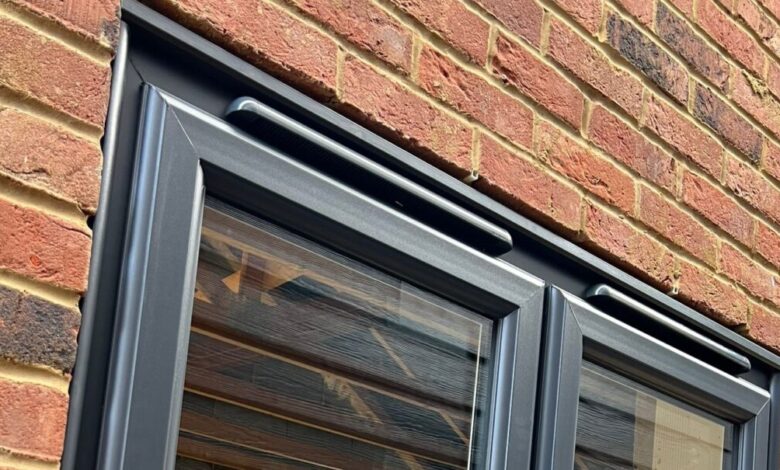
Whether you have just moved into your home or have been here for years, you might wonder how to make your windows a little better. Windows need to be well insulated so they can keep out noise from the outside, but also keep your home warmer in the winter and cooler in the summer. Insulation is one thing, though – what about airflow? That’s where a trickle vent window can be so important.
Air ventilation and quality airflow are more important than we think. In fact, if your home does not have sufficient airflow, it can lead to quite a few problems. Namely, you can find your home dealing with dampness, poor air quality, and even contamination with germs, which a trickle vent window would help remove. To help you see how a trickle vent window works, we asked Lock & Key York for some advice.
As expert locksmiths who deal with windows all the time, we wanted their opinion and expert insight into how trickle vent windows work and why they can be so useful.
Trickle Vent Windows: An Often-Overlooked Feature Of Your Home
Unless you are a keen home care specialist, it’s pretty easy for the features of your home to go unused. You might see a specific feature and just ignore it, namely because you don’t know what it does. Well, trickle vents often fall into that category. What are trickle vents?
Head over to any windows in your house, and take a look at the top of the window frame. Do you spot a small, vent-like design? If not, it might be closed over. Take a look for something that looks like you can flip open. If it isn’t open, flip the little handle/switch. You should now see a little grid or vent appear – that is your trickle vent window add-on.
For many of us, trickle vents stay shut all year round. Mainly because you don’t know what they are or the benefits they provide. However, trickle vents are by far the easiest way for you to get fresh air into each room in your house – all without wasting heating or having to open your windows. They are an unsung hero of room airflow and air quality management.
Many homeowners simply never use their trickle vents because they are unaware of how effective they are. Let’s take a look at the actual mechanics of your trickle vent window, though.
The Simple Mechanics Behind Trickle Vent Windows
So, it turns out that this small slit or vent above your window is pretty important – who knew?
The mechanics behind how these little vents work is actually pretty simple. We’ll explain the basics below so you can start making the most of any trickle vent window in your house after reading this.
Understanding The Basics Of Airflow
Any room in your house without windows cannot have the best airflow. This is common in flats, where many bathrooms lack a window for airflow. That means your bathroom can often feel stale, or it can even smell – and feel – a little damp. Most bathrooms get around this by having extractor fans, but other rooms likely have trickle vents.
Air flows in through any gap that it can; it might even be imperceptible gaps, like cracks around your windows or the foundations of the room itself. The wider the gap is, the more air can flow in and out. So, if you pop open your room’s window to the furthest it will go, you get more airflow. If you shut a window completely, you get next to no airflow – especially in an airtight room.
However, even a small gap can be enough to provide sufficient airflow into a room, keeping it fresh and free from damp and/or stale air.
How Trickle Vents Improve Airflow
A trickle vent allows for a steady flow of air to arrive. It’s not as much as you would get if you were to open the window, but it’s enough to keep a room nice and fresh. They are especially useful in rooms like drying rooms or rooms where you hang up your washing after it comes out of the washing machine.
However, trickle vents are useful in any room. It’s a must-have in bathrooms with windows and kitchens. By getting rid of that humid air, you ensure the room maintains a steady flow of fresh, cool air from outside. Thus, your rooms do not get that damp or stale smell that can linger in airtight rooms. They are essential, then, to ensuring you get steady airflow into the room throughout the day.
Why not just open the window, we hear you ask? Well, opening the window allows for a lot of airflow. In many cases, especially in a British winter, that can make the room feel cold and inhospitable. That is never nice, is it? With the smaller but steady airflow from a trickle vent window, you keep the room dry without wasting energy expelling the hot air your heating system creates.
At the same time, you stop rooms from becoming overly damp or humid, reducing the risk of mould.
How Do Trickle Vents Operate?
Easy – the vast majority of trickle vent windows just ask you to pull a small lever or flip the switch. Once flipped, you don’t need to do anything: there is no mechanism or power needed. Simply open up the hatch and let the air flow happen naturally and gradually.
Keep Your Home Dry & Air Fresh With Trickle Vents
We know, it can be a surprise that something so small and seemingly insignificant can have such a major impact on your home. But, it’s true – trickle vent windows are very effective at what they do.
They allow a steady flow of air into the room without lowering the temperature or worrying about security when leaving a window open all day. If you find any room in your home that is a little on the airtight side, creating humidity, dampness, or staleness, fit a trickle vent window in the room. Then, you can keep the trickle vent open most of the year for controlled airflow that won’t leave your room feeling like a freezer!