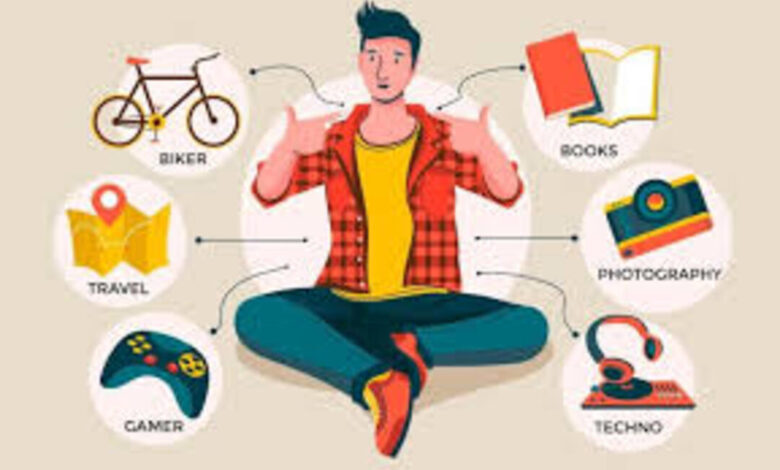
Hobbies offer a world of personal gratification that goes beyond the monotony of daily routines and work obligations. Studies consistently show that individuals who engage in hobbies report a higher sense of well-being and lower levels of stress. The advantages of embracing a pastime range from stress relief to skill development, making hobbies much more than mere leisure activities—they serve as conduits to a more fulfilling life.
Finding a hobby that resonates with your interests can carve a path to joy and contentment in life. Whether it’s crafting, outdoor activities, or culinary arts, the value of dedicating time to a personal interest lies in its transformative potential. In this article, we explore the multifaceted benefits of hobbies, providing insight into how these leisure pursuits can lead to personal satisfaction.
Discovering Personal Fulfillment Through Hobbies
Hobbies are much more than ways to pass the time—they can become key contributors to one’s overall life satisfaction. For many, the process of creating or mastering something independently can foster a sense of accomplishment. For instance, a hobbyist who practices painting might experience immense gratification upon completing a piece of art that represents their vision and effort.
To uncover a hobby that brings personal fulfillment, consider exploring areas that pique your interest or connect to a latent passion. Attend various workshops, such as a cooking class NYC, to sample different hobbies and identify what most captivates you. The key is to give oneself permission to venture into unfamiliar territories and enjoy the learning process.
Hobbies as a Pathway to Stress Relief and Mental Wellness
Hobbies present an effective outlet for stress, affording a way to decompress from the pressures of day-to-day life. The act of focusing on a task that is purely for enjoyment can induce a state akin to meditation, where worries are sidelined, allowing for relaxation and mental clarity. This form of leisure is vital for maintaining mental health.
Research consistently indicates that activities such as knitting or fishing can reduce stress levels and provide therapeutic benefits. The repetitive motions in knitting, for instance, are known to have a calming effect on the brain, much like a mantra during meditation. Similarly, the patience required for securing the best dry fly hooks and the tranquility of a fishing environment can act as a natural stress reducer.
For those seeking to alleviate stress through hobbies, it’s essential to find activities that resonate with personal relaxation preferences. Whether it’s the gentle routine of gardening or the vibrant rhythms of dance, select hobbies that provide a pleasurable escape and build in regular times to practice them.
Nurturing Creativity With Diverse Hobbies
Engaging in a range of hobbies can be a powerful catalyst for nurturing one’s creative abilities. Activities such as writing, gardening, or playing a musical instrument stimulate the mind, encouraging it to think in novel and unconventional ways. As a result, hobbies can be extremely beneficial for individuals seeking to enhance their creative thinking skills.
For example, someone dabbling in photography might develop an eye for unique compositions, training their mind to perceive the world from different perspectives. This change in viewpoint can translate into improved problem-solving and innovation in their professional life. The best part is that creativity, much like a muscle, grows stronger with regular exercise through varied hobbies.
If the goal is to bolster creativity, aim to experiment with hobbies that challenge your typical thought patterns. Try activities that differ from your regular habits; if you’re accustomed to structured tasks, pursuing something with an element of improvisation, like jazz music or abstract painting, could do the trick.
How Engaging in Hobbies Enhances Life Skills and Relationships
Investing time in hobbies can yield significant benefits for practical life skills and interpersonal relationships. For example, hobbies that involve organization, strategic thinking, or leadership not only enrich one’s personal life but also bolster professional competencies. These activities can serve as informal training grounds for skill sets that are valuable in many aspects of daily life.
Moreover, shared hobbies can act as bridges between individuals, fostering deeper connections and understanding. Participating in team sports, book clubs, or community theater can introduce you to diverse groups, offering the chance to develop new friendships and expand social networks. The sense of camaraderie and the shared pursuit of interests strengthen communal ties and enhance communication skills.
Ultimately, hobbies are much more than escapism—they are vital pillars supporting our personal development, mental health, and social lives. From the satisfaction of personal fulfillment to the broadening of creativity, hobbies pave a way toward a richer, more balanced life. They are investments in our well-being, and the returns are immeasurable in terms of happiness and life satisfaction.